DappRadar
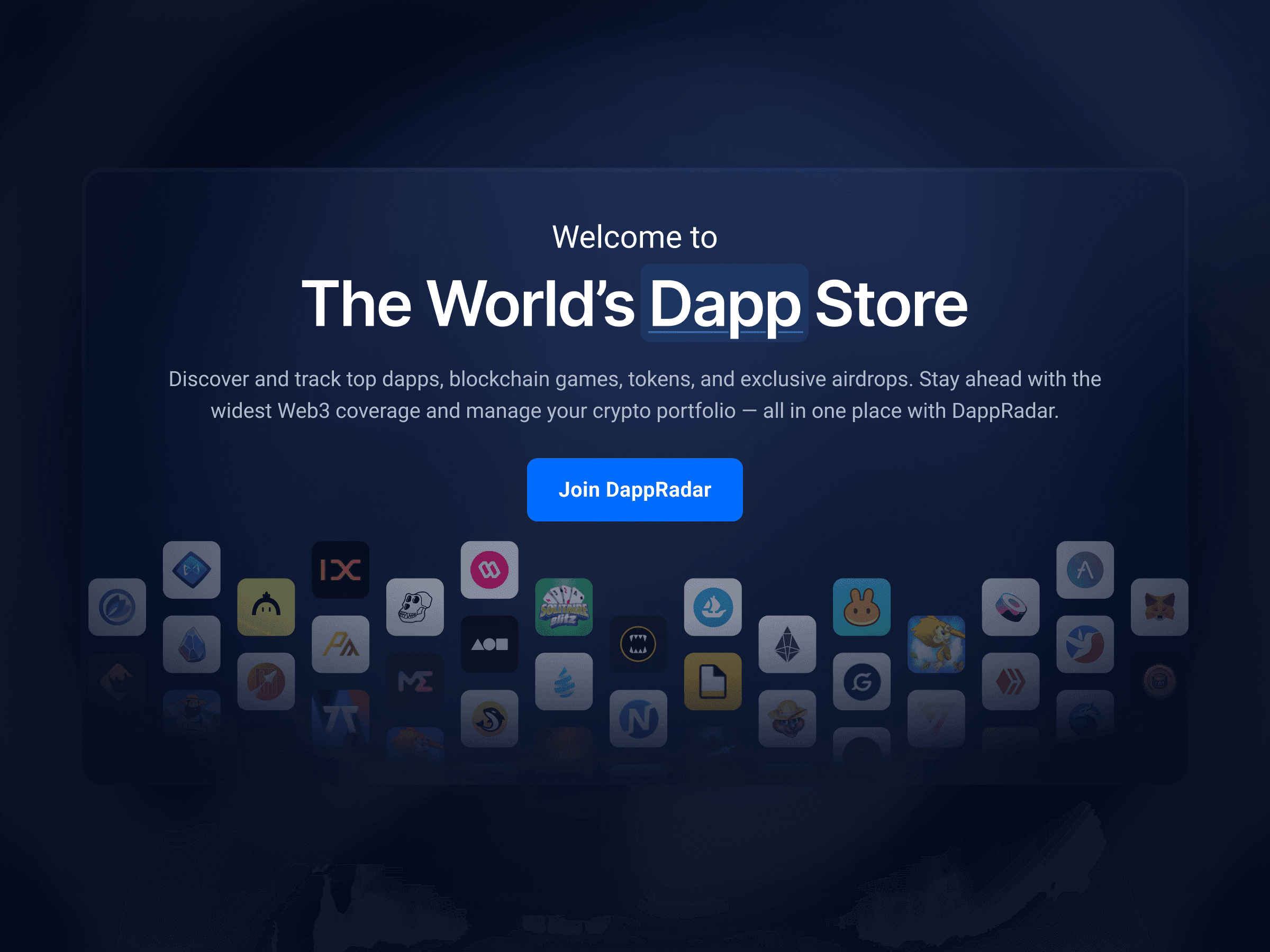
The World’s Dapp Store for Web3 Discovery & Analytics
Turning complex on-chain data into structured, actionable insights for 1M+ monthly users.
Results
Turning complex on-chain data into structured, actionable insights for 1M+ monthly users.
Results

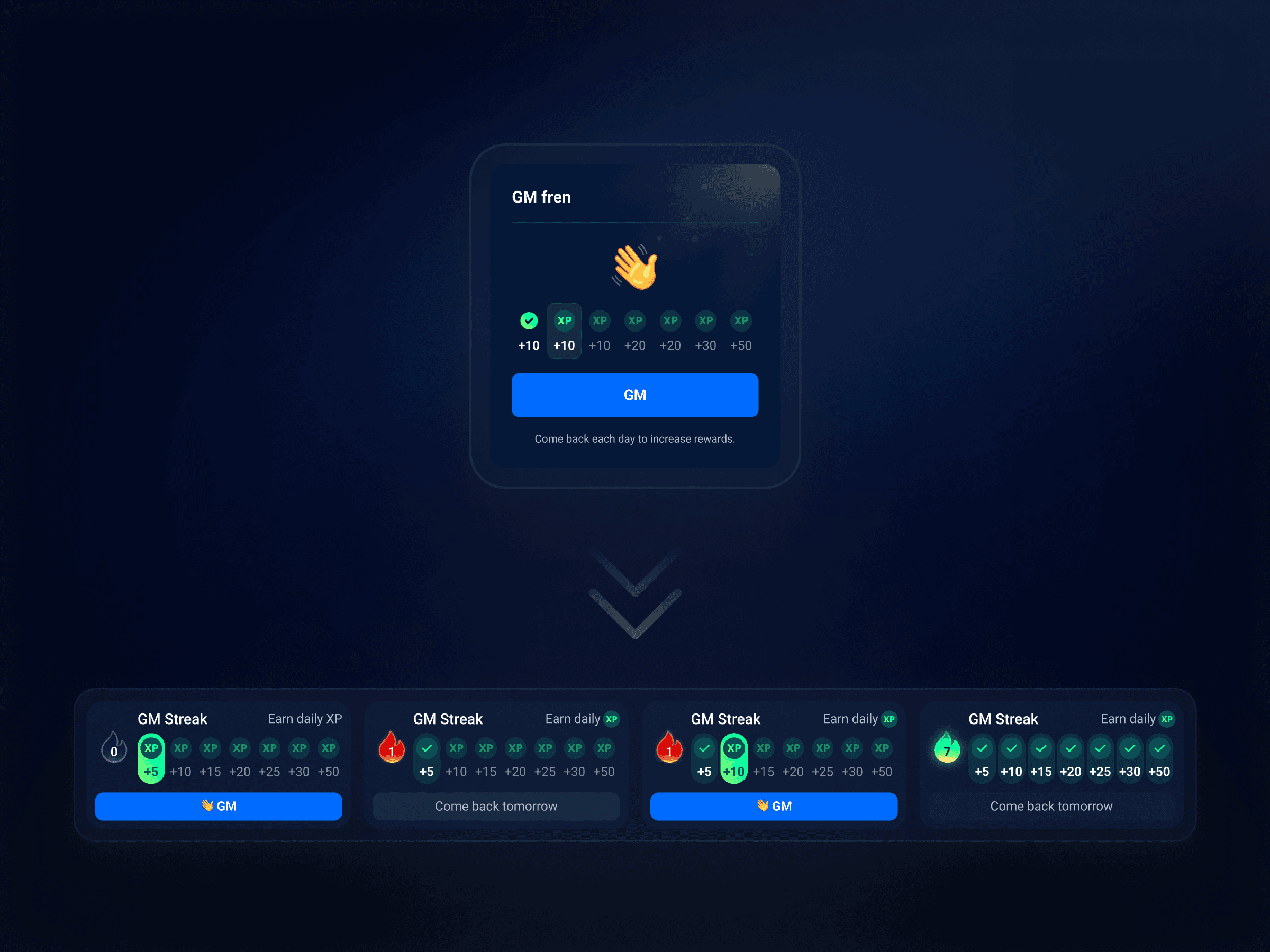
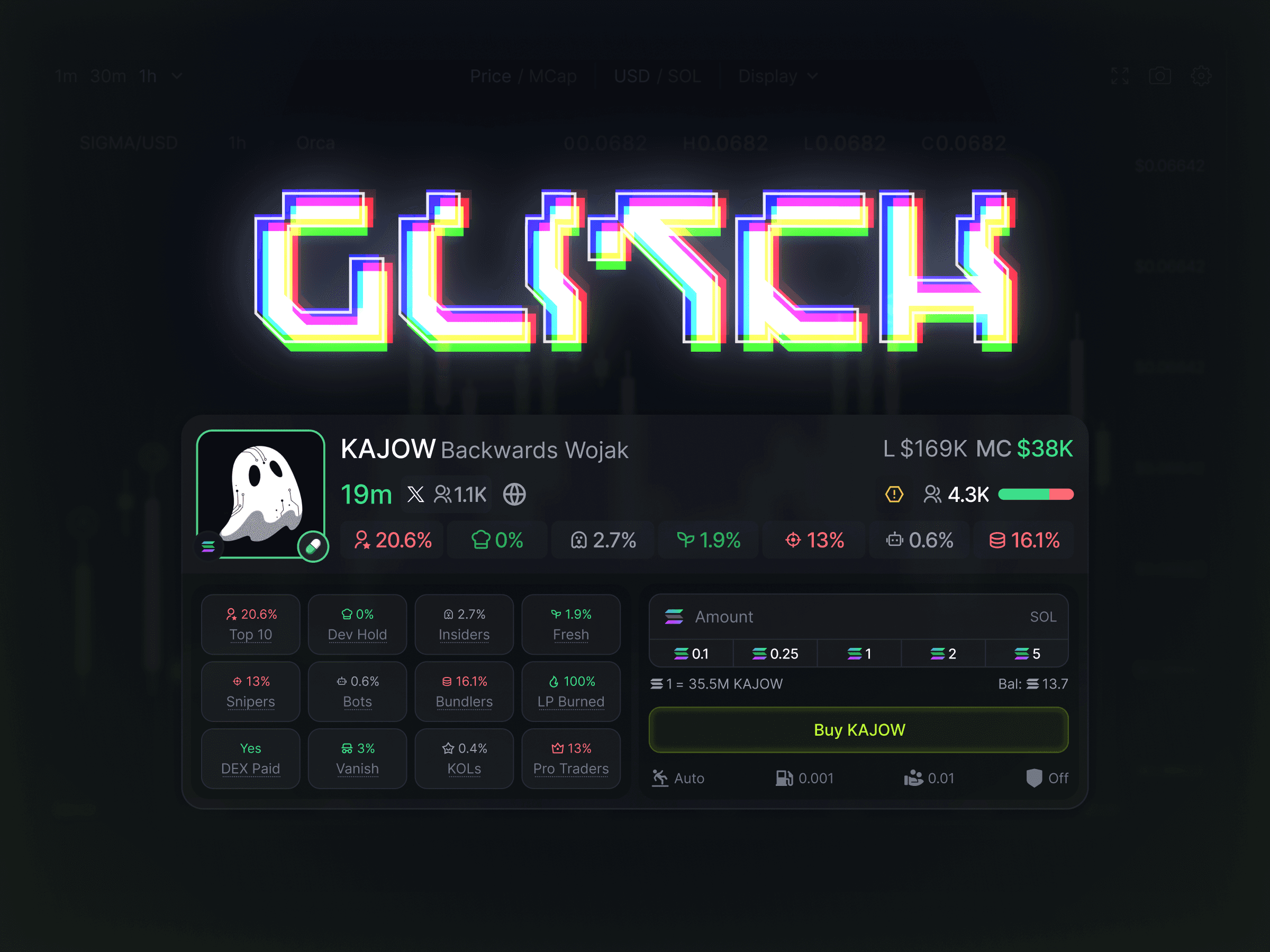
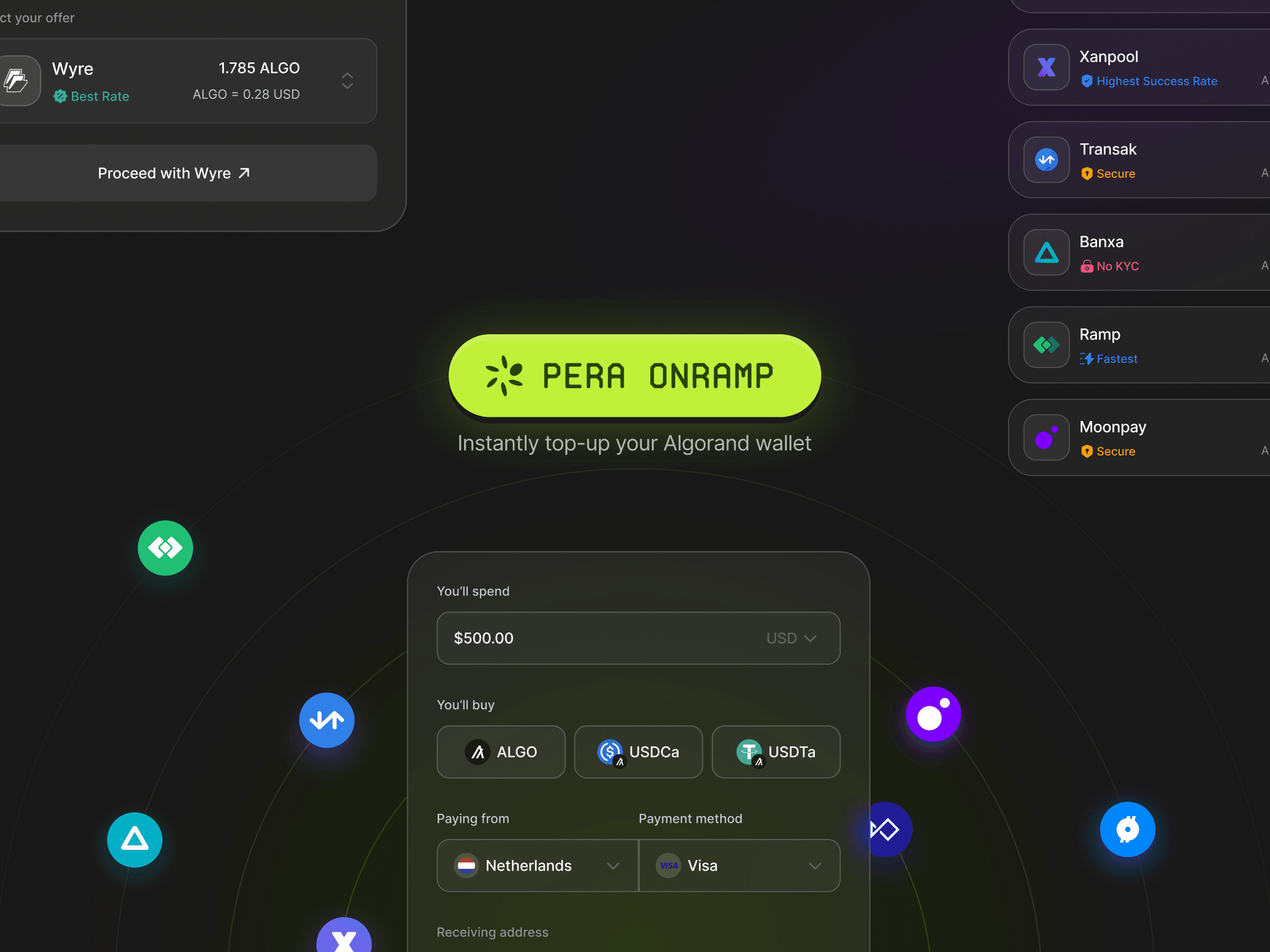
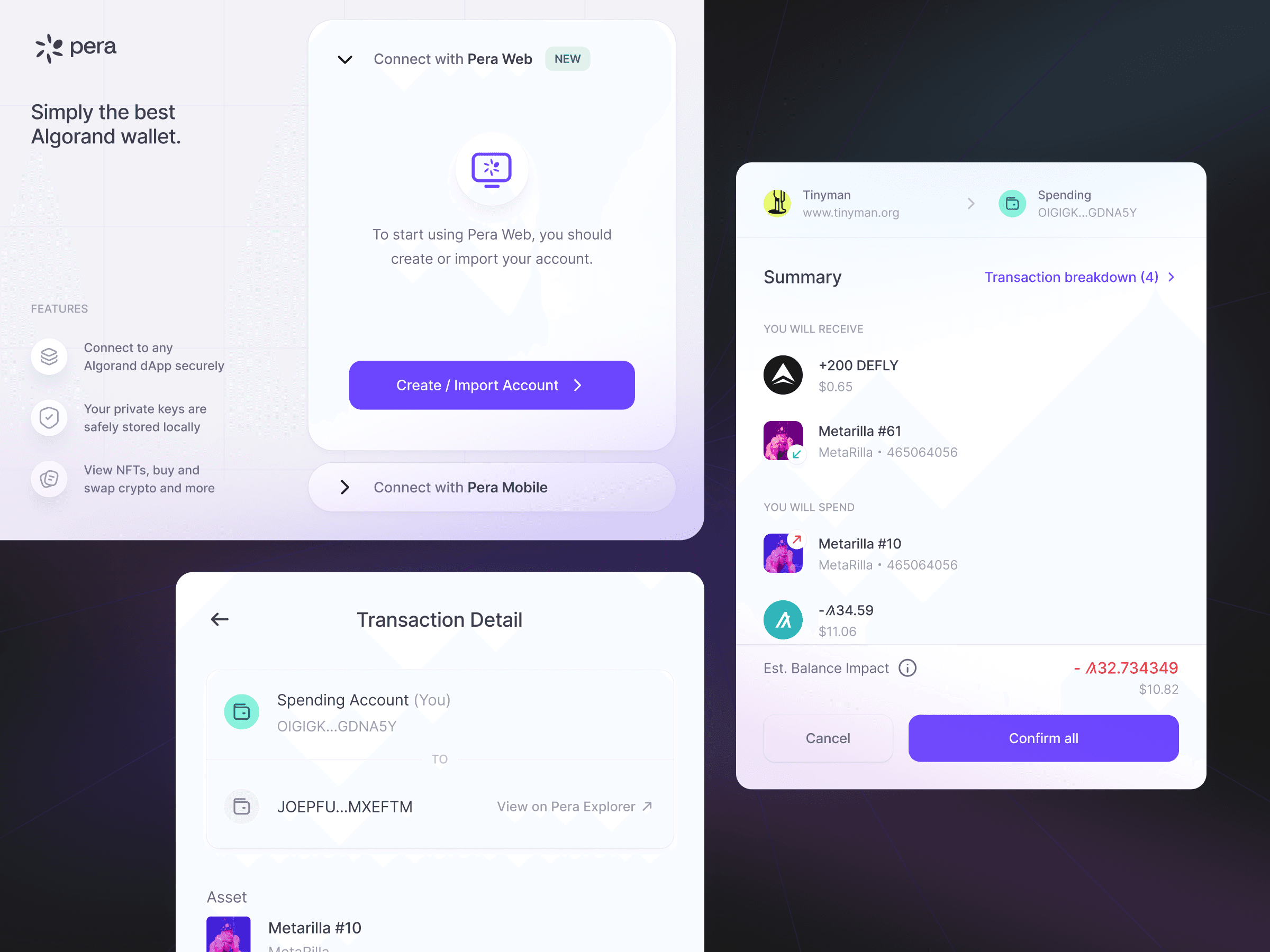
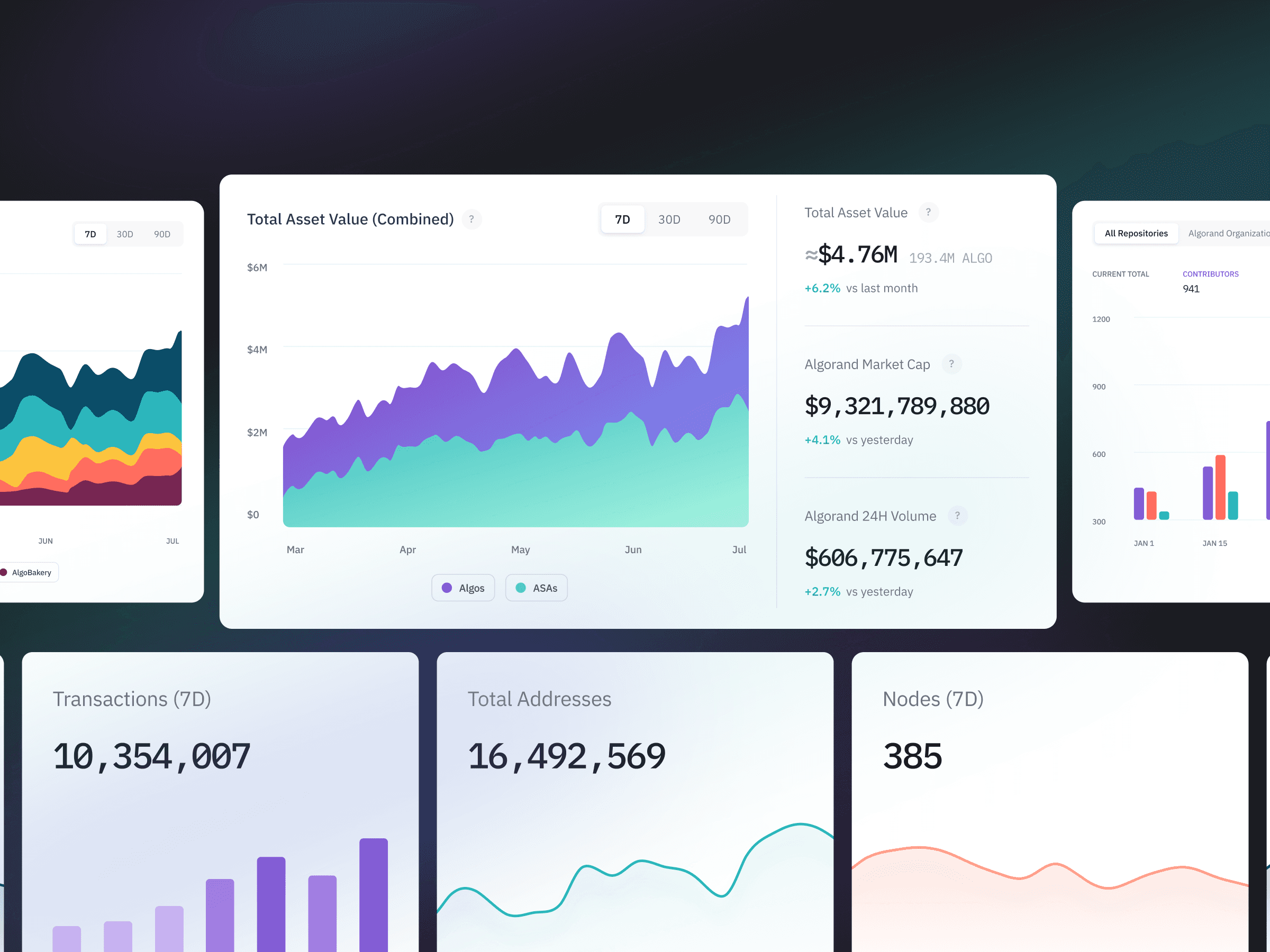
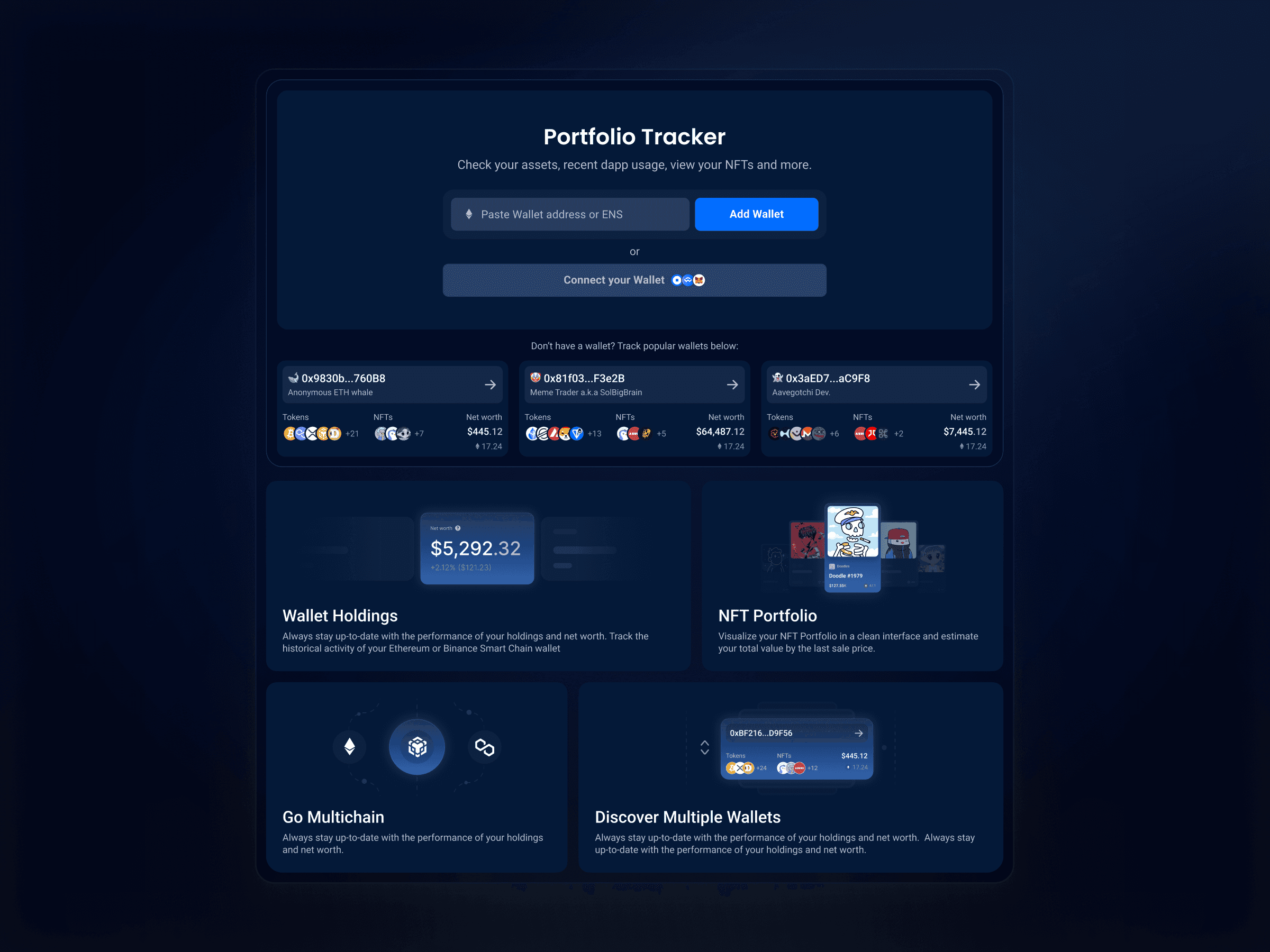
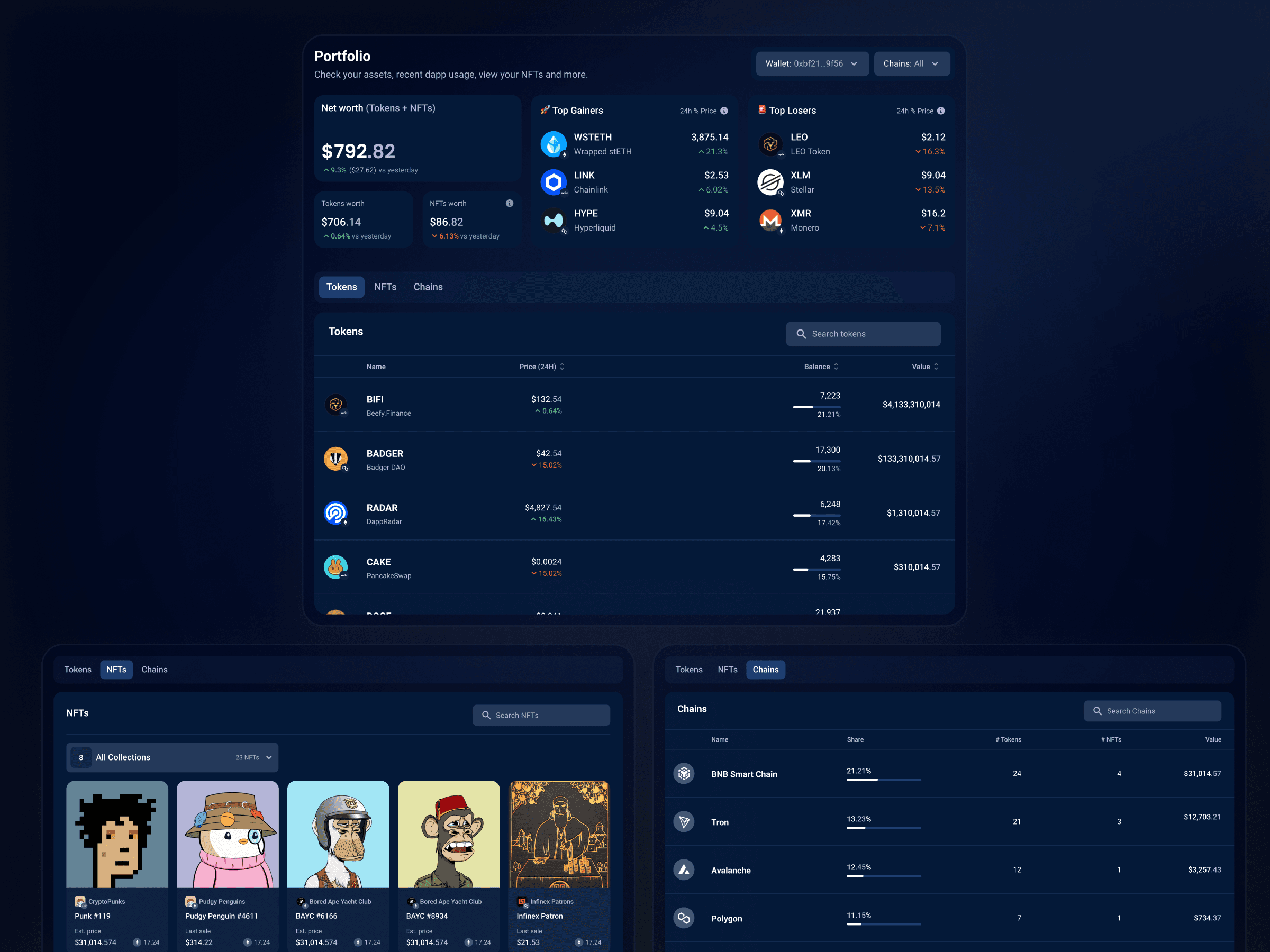
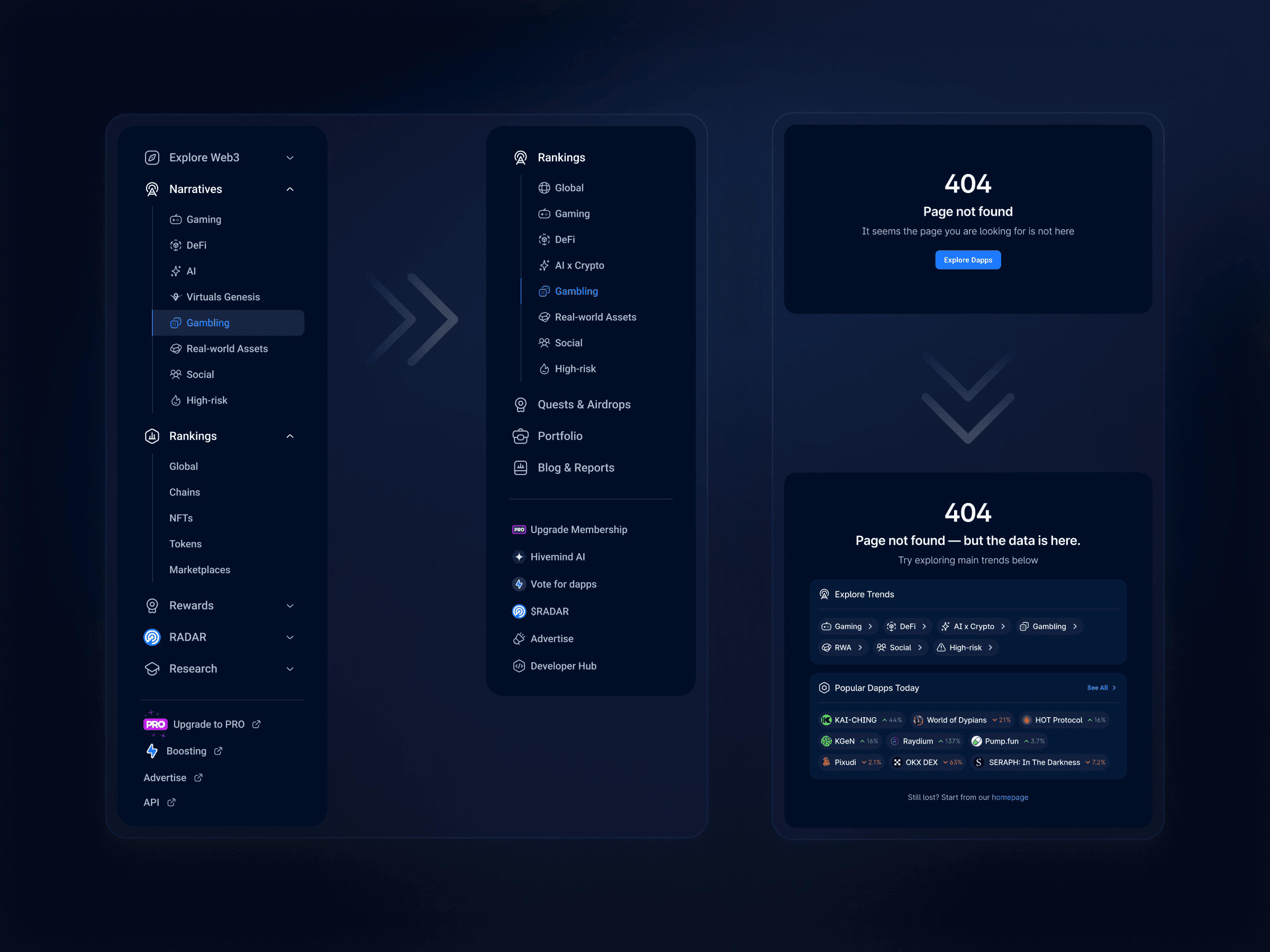
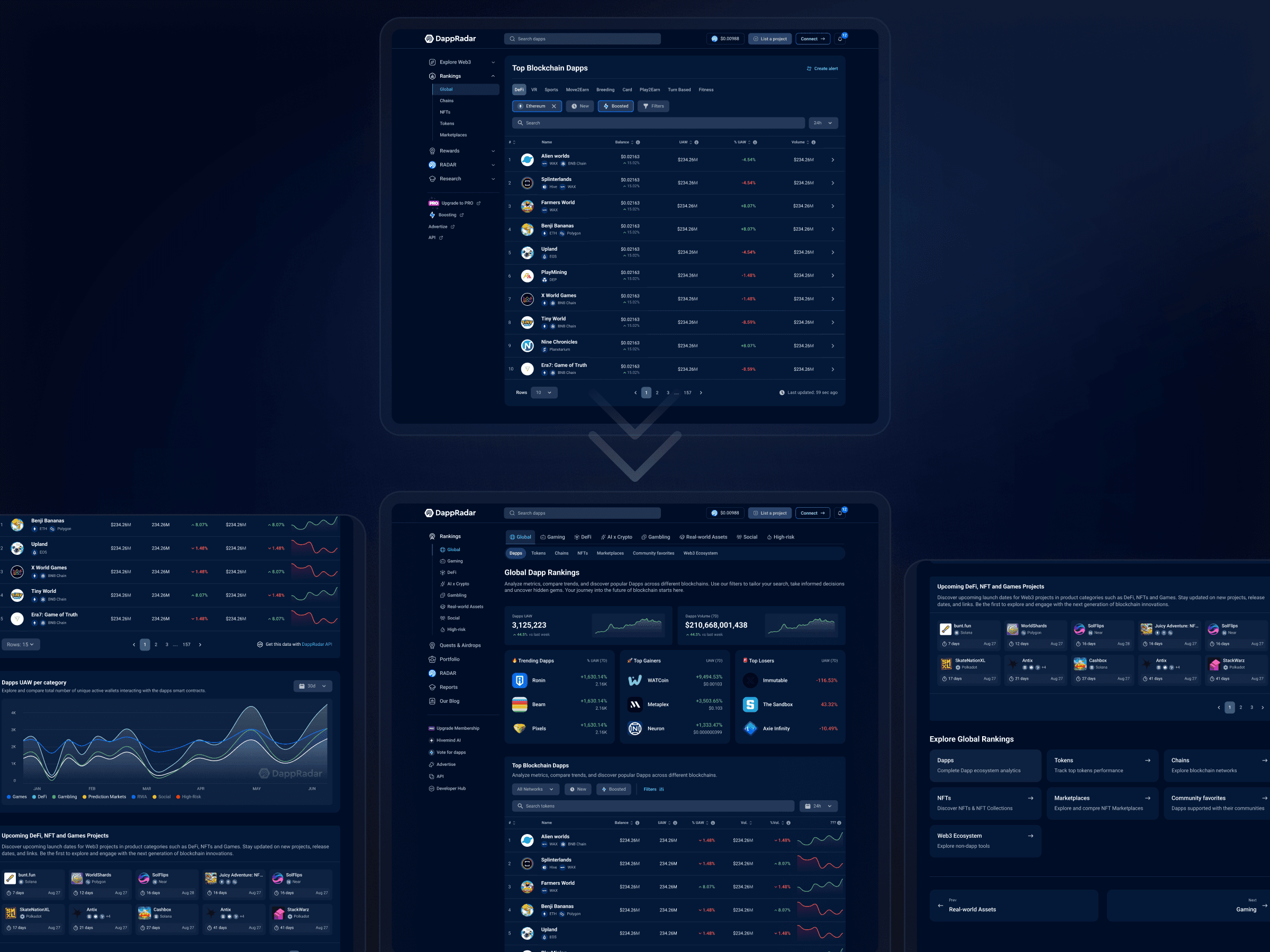
When I joined, the platform had strong data infrastructure but an outdated and table-dominant interface. Most pages followed the same pattern: large, dense tables with minimal context. While powerful, the experience felt heavy and difficult to scan, especially for new users entering Web3 through narrative cycles. I worked across two parallel tracks: launching new 0→1 features such as Portfolio, Watchlist, Narratives, and Hivemind AI, while also driving broader UX modernization initiatives that restructured navigation, page hierarchy, and visual language.

Design Rationale
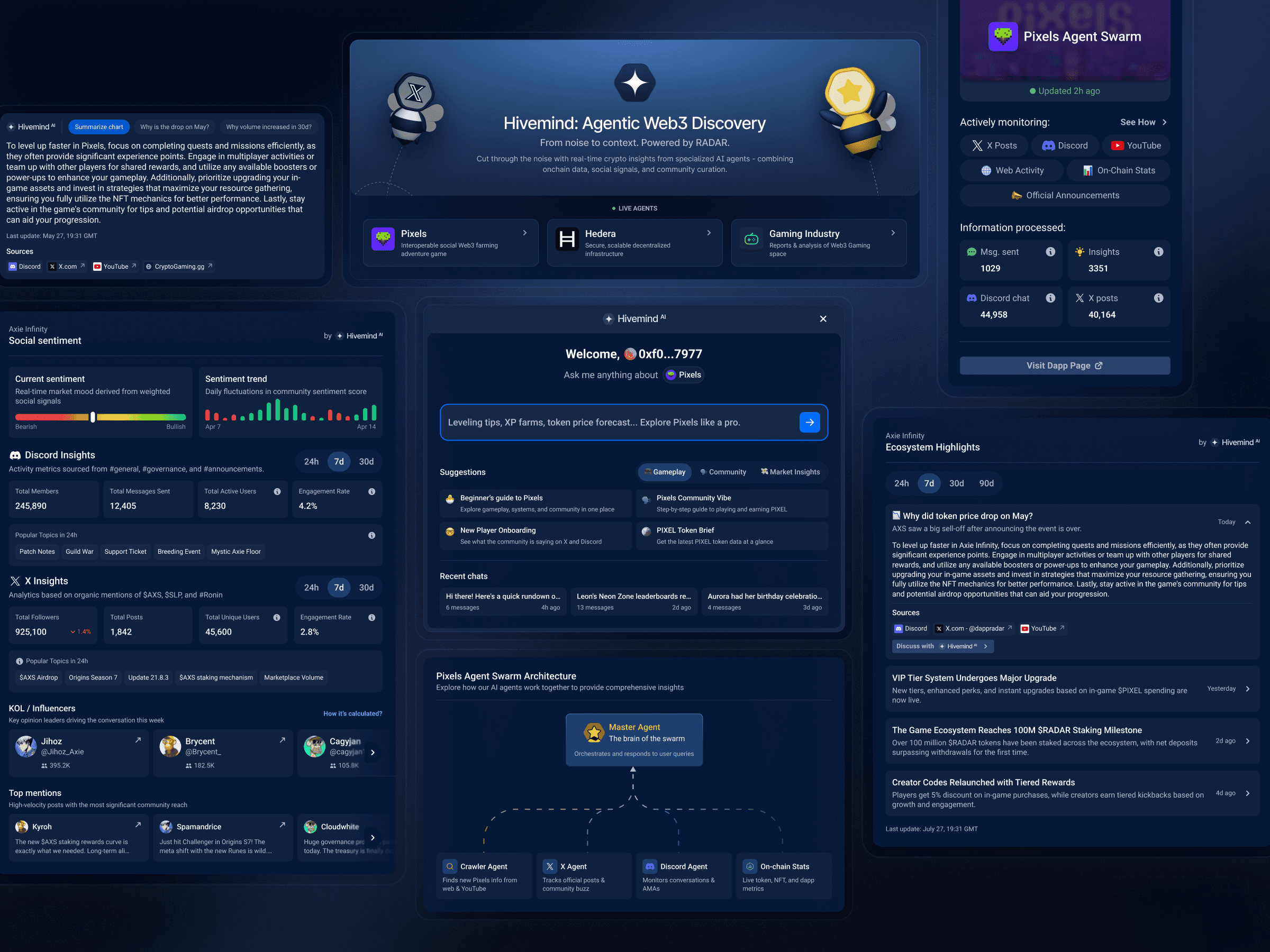
The core challenge was not lack of data, but lack of structure. Nearly every section, whether tokens, NFTs, or dapps, presented information as a large sortable table. This created friction for discovery and limited the platform’s ability to surface trends, narratives, and momentum. I introduced progressive information layering. Instead of starting with raw tables, pages began with contextual widgets that summarized key metrics such as total market cap, 7-day change, or volume/narrative shifts. This warmed users into the dataset before exposing deeper comparisons. Trend modules like Top Movers provided directional signals before detailed exploration. Narratives were designed as a structural shortcut across the platform. A single Gaming or DeFi page aggregated all related assets, making thematic exploration faster and more aligned with how Web3 hype cycles actually function. Hivemind AI extended this thinking further by introducing AI-assisted discovery. Users could explore projects conversationally, receive contextual explanations for chart movements, and access social and on-chain signals in a more interpretable way. The goal was not to replace data, but to translate it.

WANT TO SAY HI?
WANT TO SAY HI?
WANT TO SAY HI?