Pera Design System
Unifying the visual identity of the Pera ecosystem
Cross-platform design foundation unifying Pera’s mobile, web, and embedded products under a consistent visual language.
Results
Cross-platform design foundation unifying Pera’s mobile, web, and embedded products under a consistent visual language.
Results

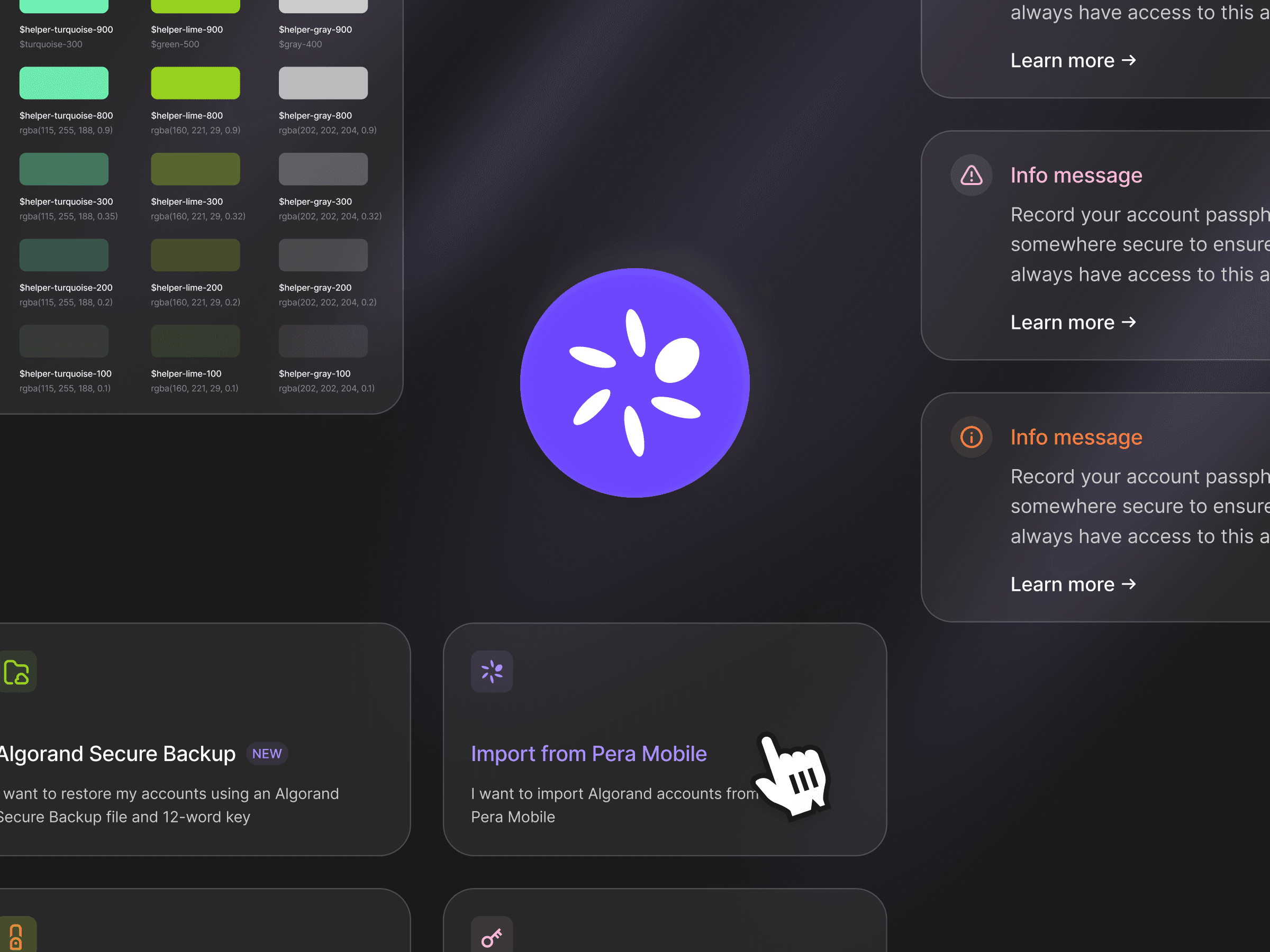
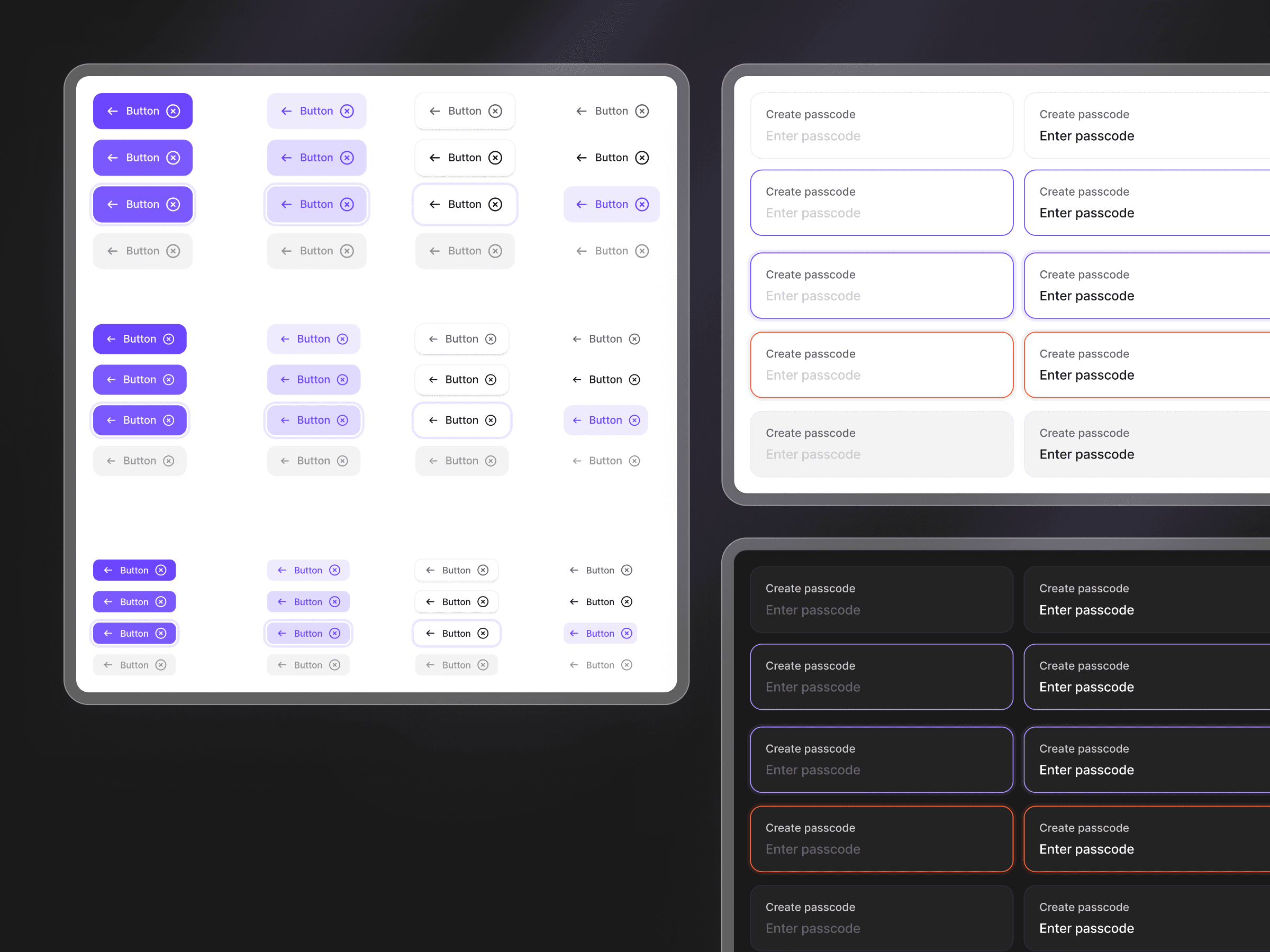
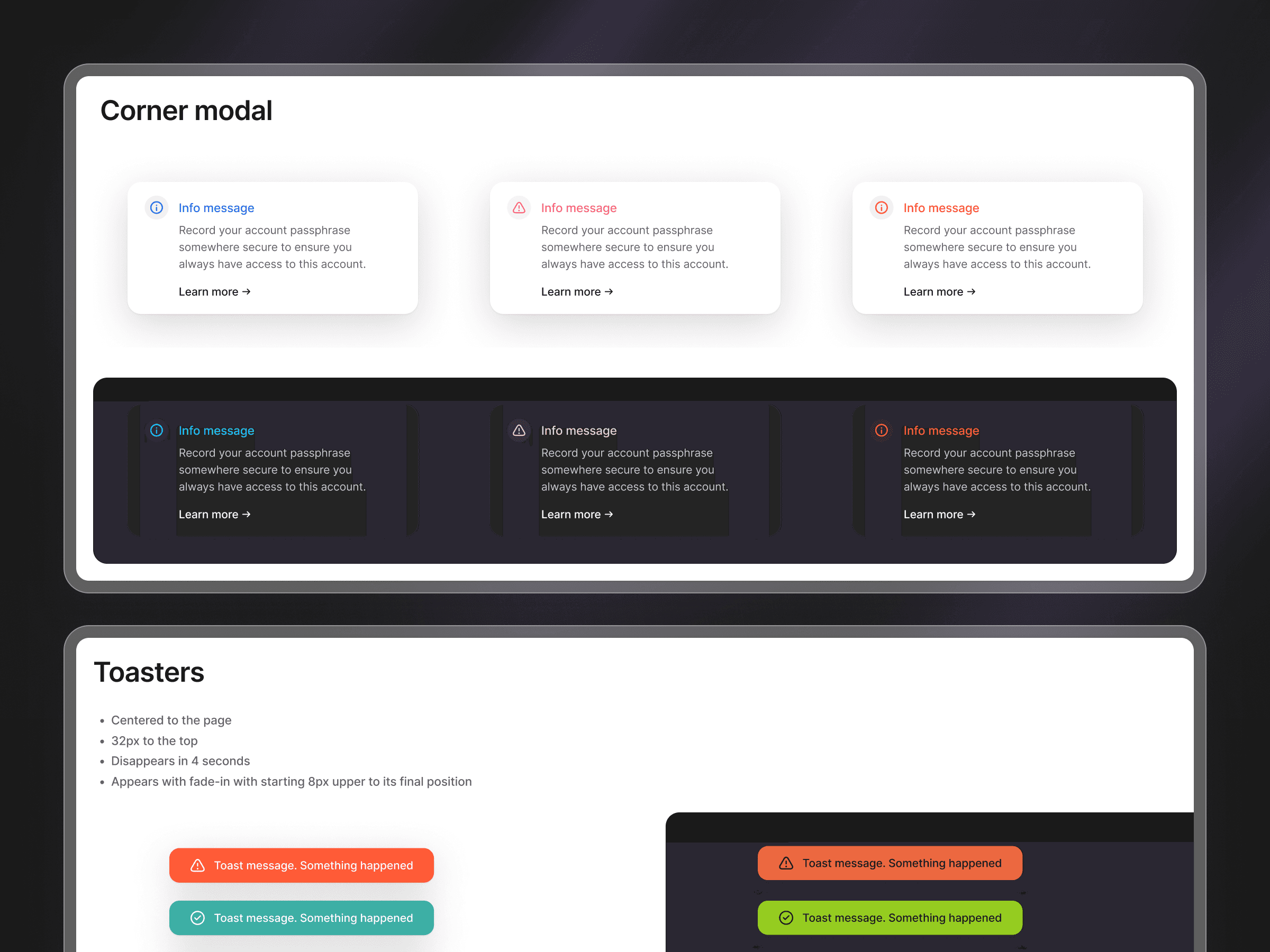
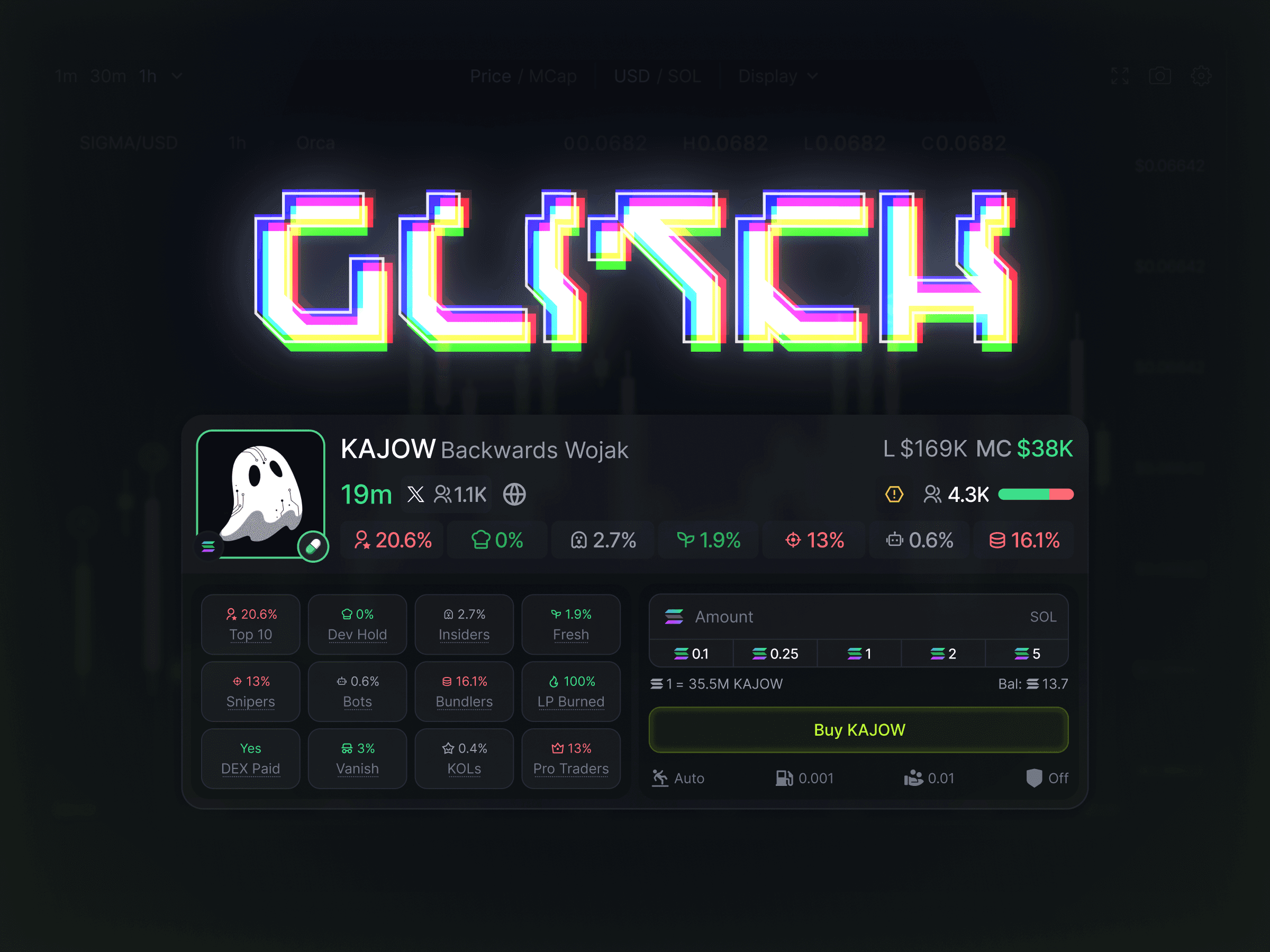
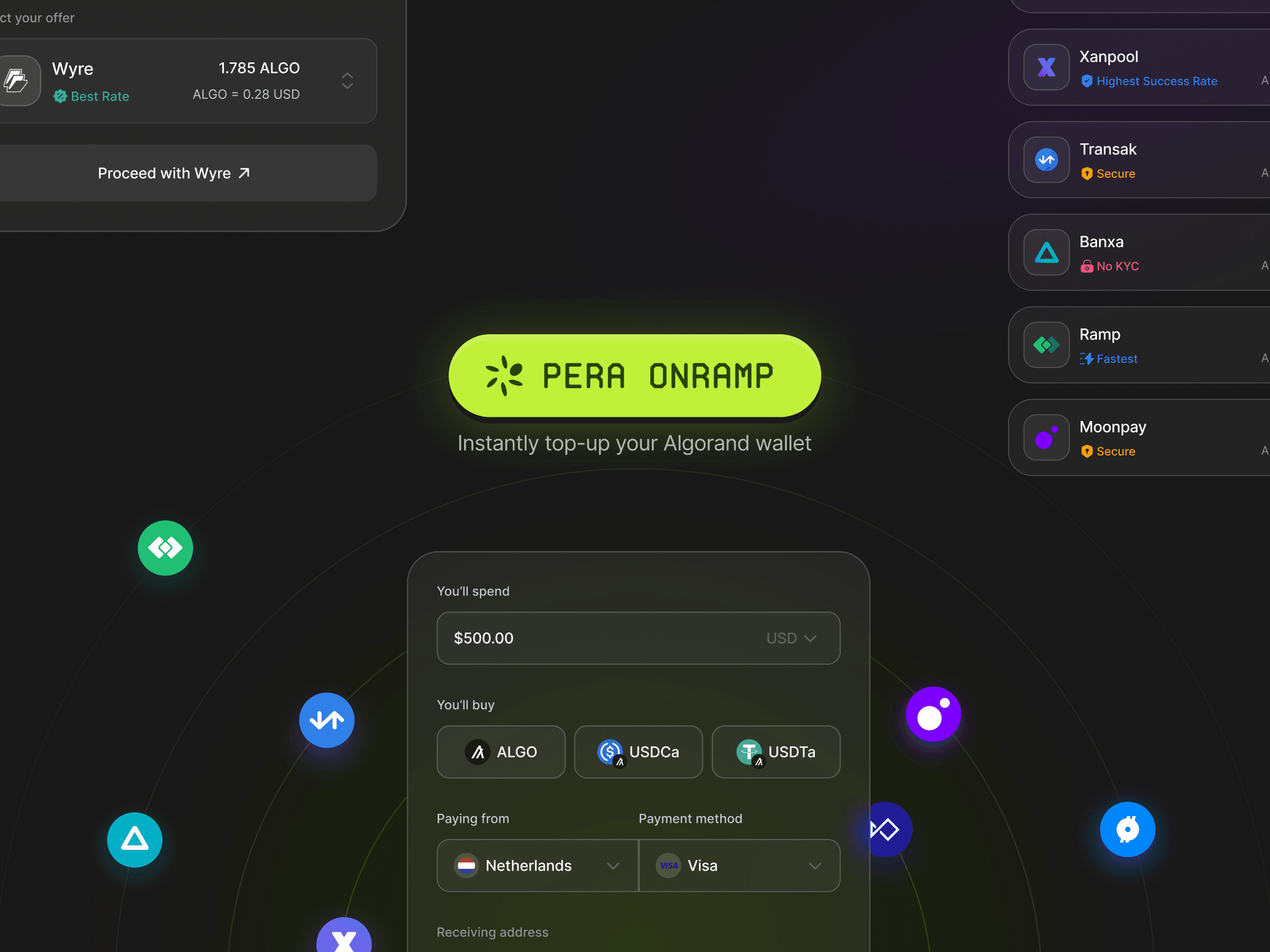
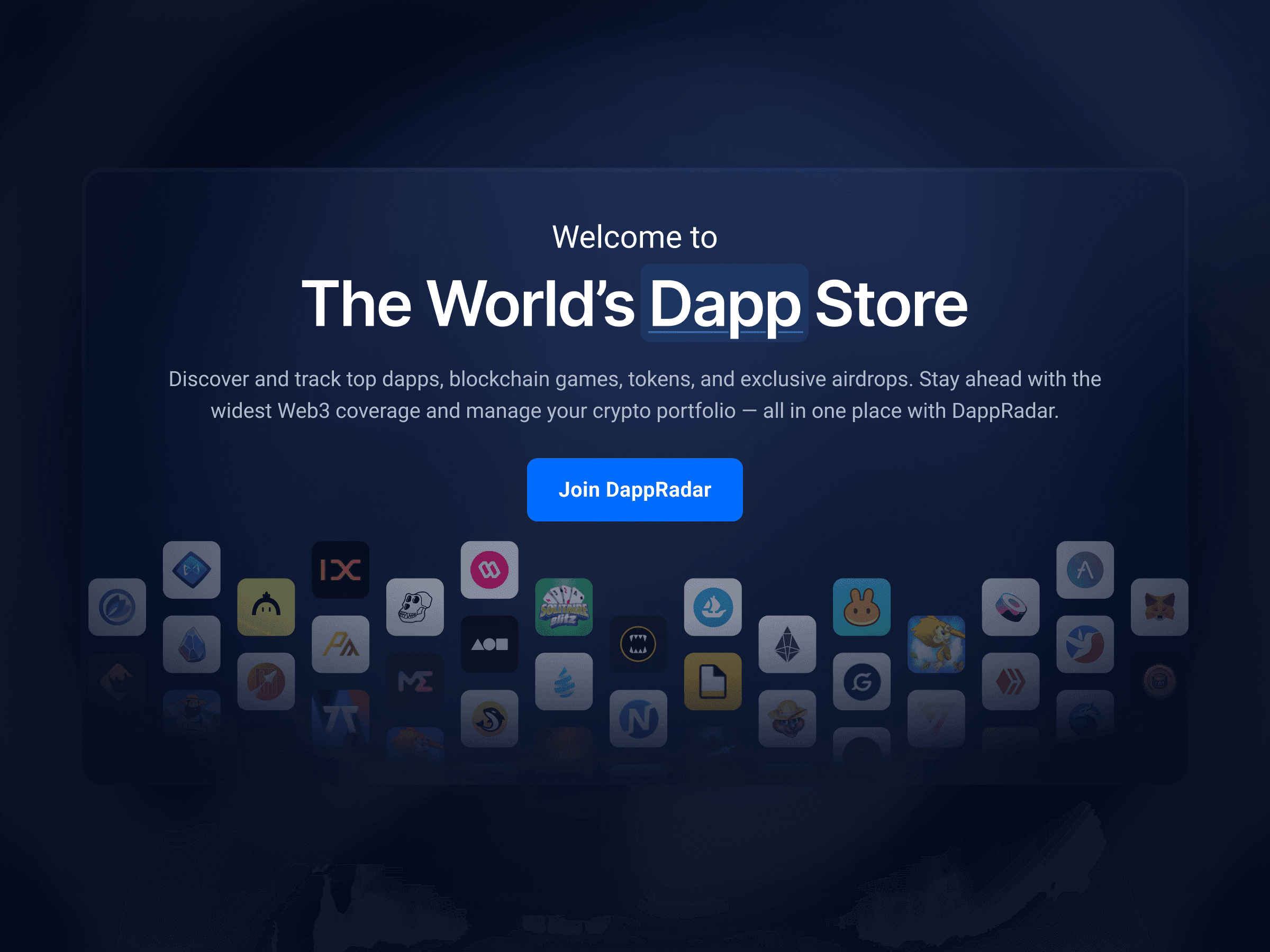
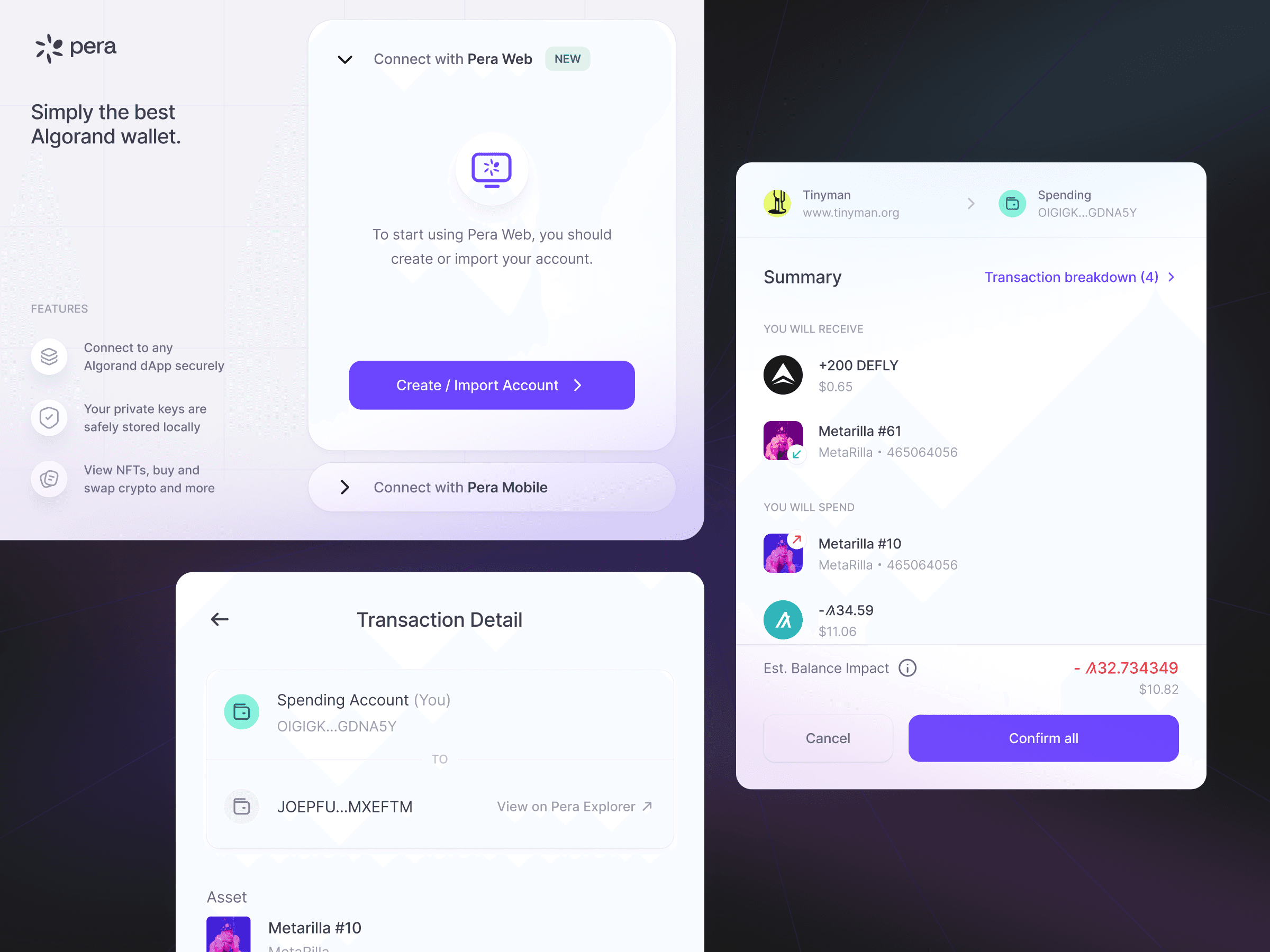
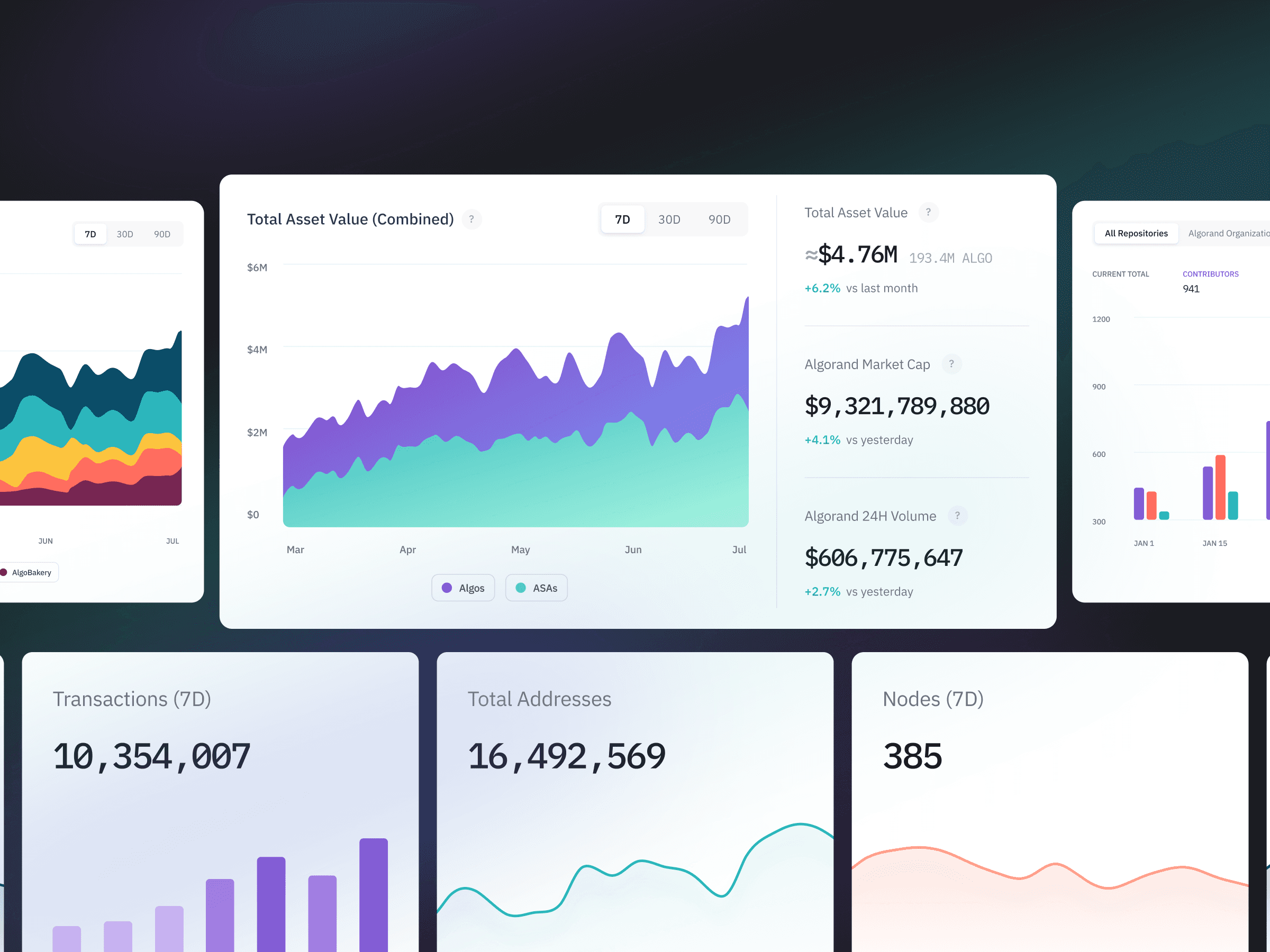
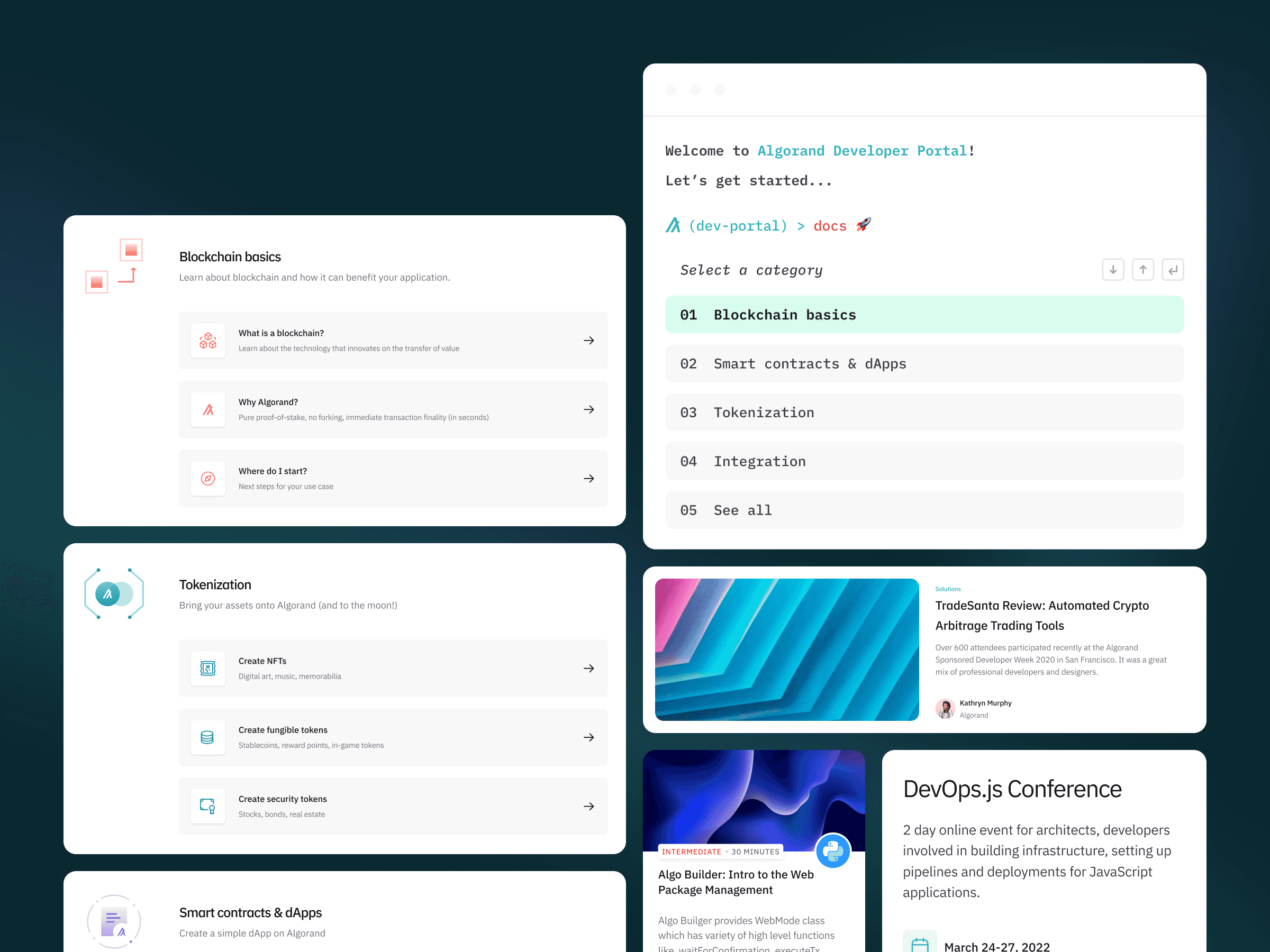
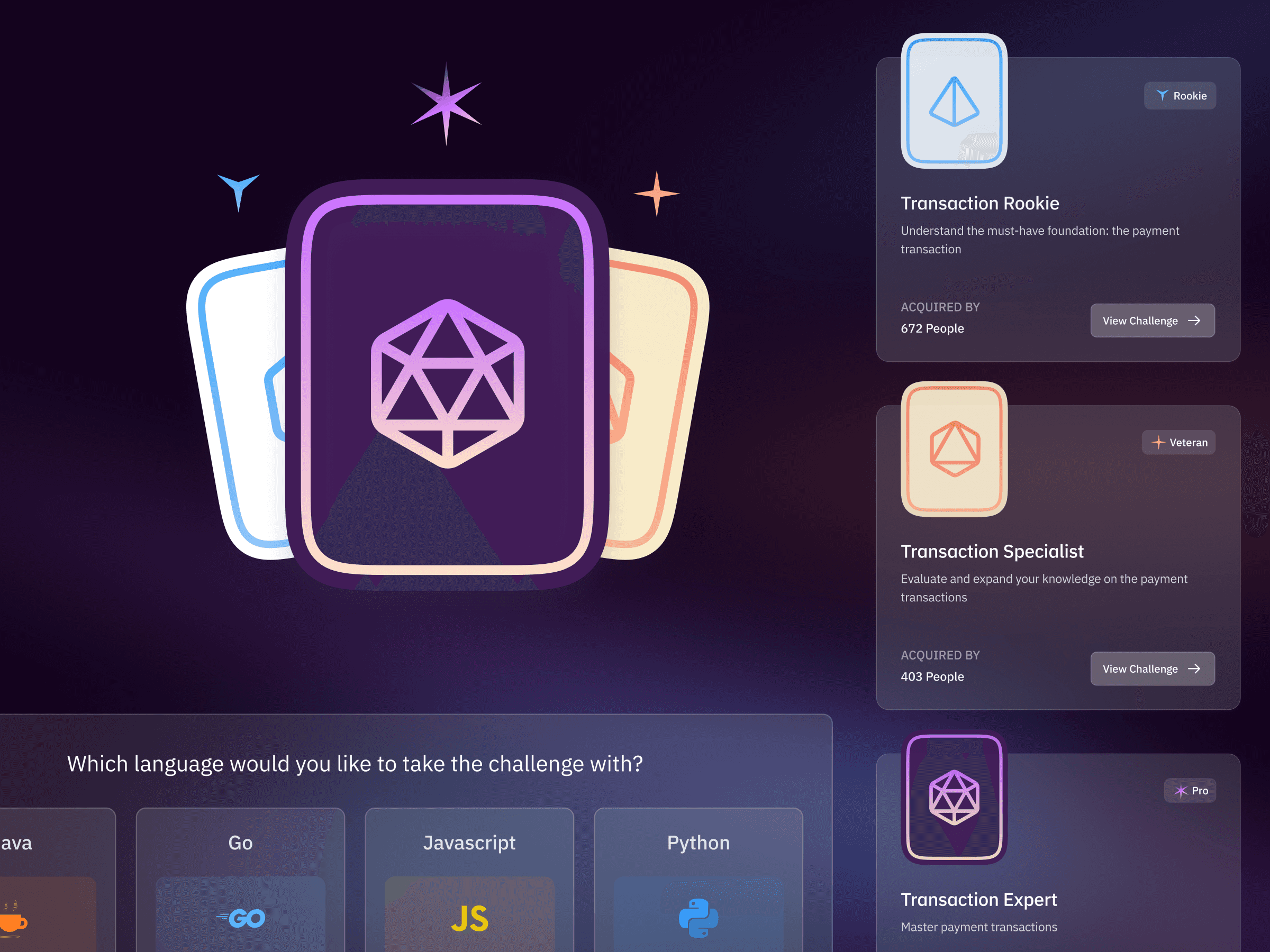
Pera began as a mobile wallet for the Algorand ecosystem. As the product expanded into web and developer-facing tools, the need for a shared design foundation became critical. The Pera Design System was created to unify visual language, interaction patterns, and layout standards across an expanding suite of products. This included web-based wallet experiences, embedded widgets, and developer tools. I contributed by defining reusable components, interaction logic, and responsive layout structures that worked consistently across mobile and web environments.

Design Rationale
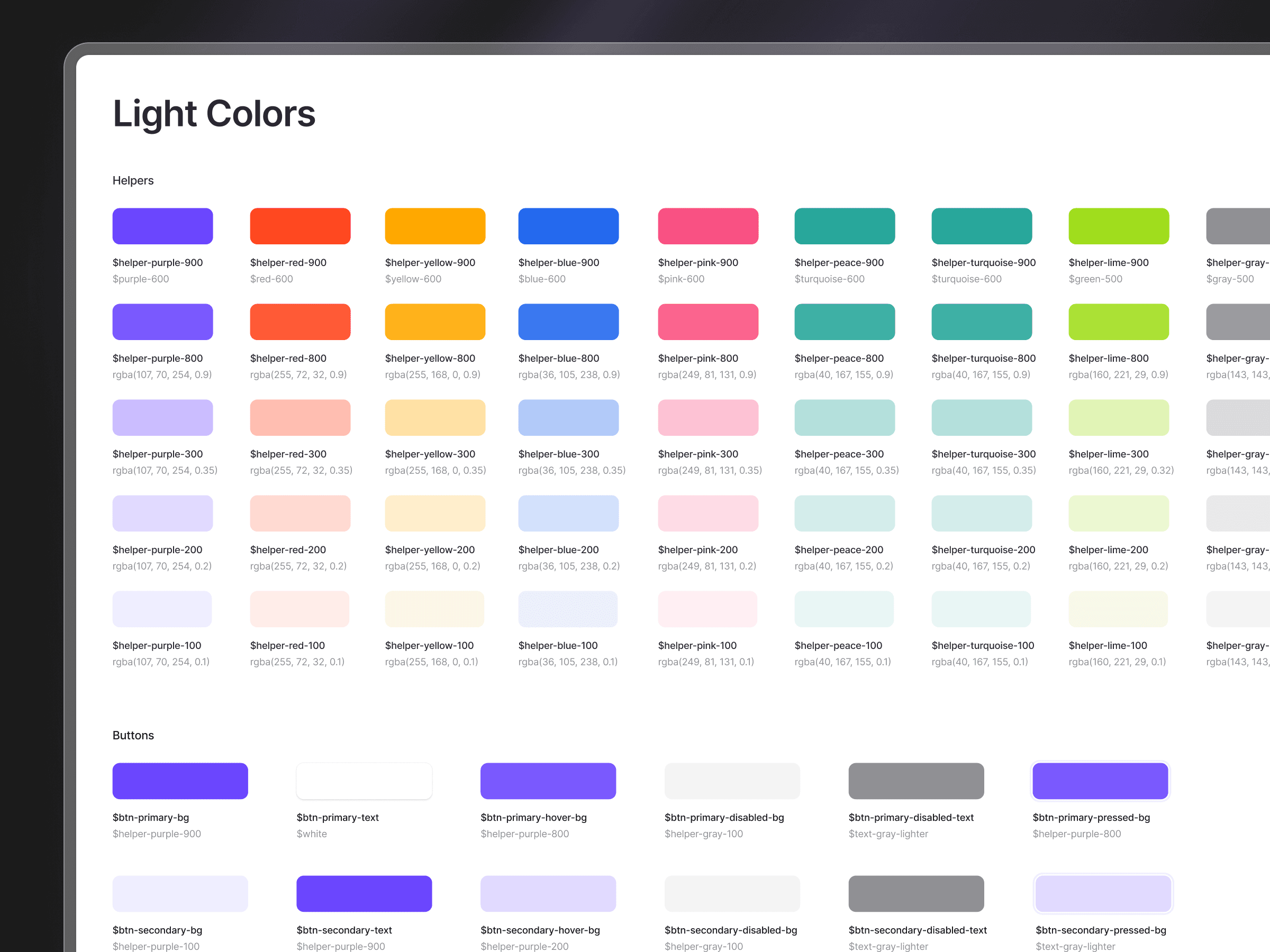
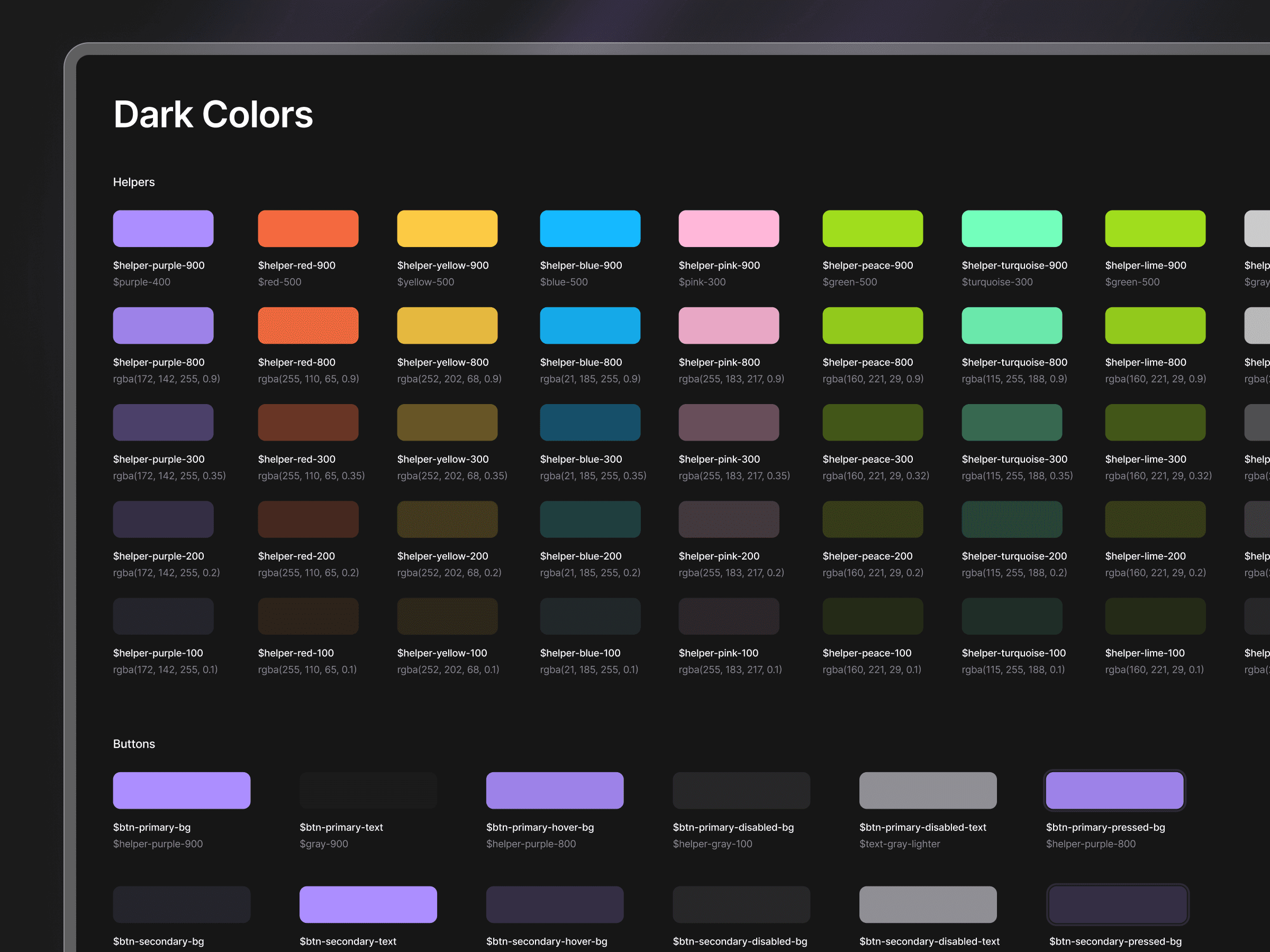
The core challenge was expansion without fragmentation. Moving from a single mobile product to a multi-surface ecosystem can quickly create visual drift and interaction inconsistencies. The system was structured around modular components that could scale from full-page web layouts to embedded modal widgets. Predictable spacing, typography hierarchies, and interaction feedback patterns ensured that users experienced continuity across products. Accessibility and clarity were prioritized. Supporting both light and dark modes was not treated as a visual toggle but as a systemic constraint that informed color tokens, contrast rules, and component behavior from the start. The result was a flexible foundation that supported rapid product development while maintaining coherence and trust.


WANT TO SAY HI?
WANT TO SAY HI?
WANT TO SAY HI?